
Research
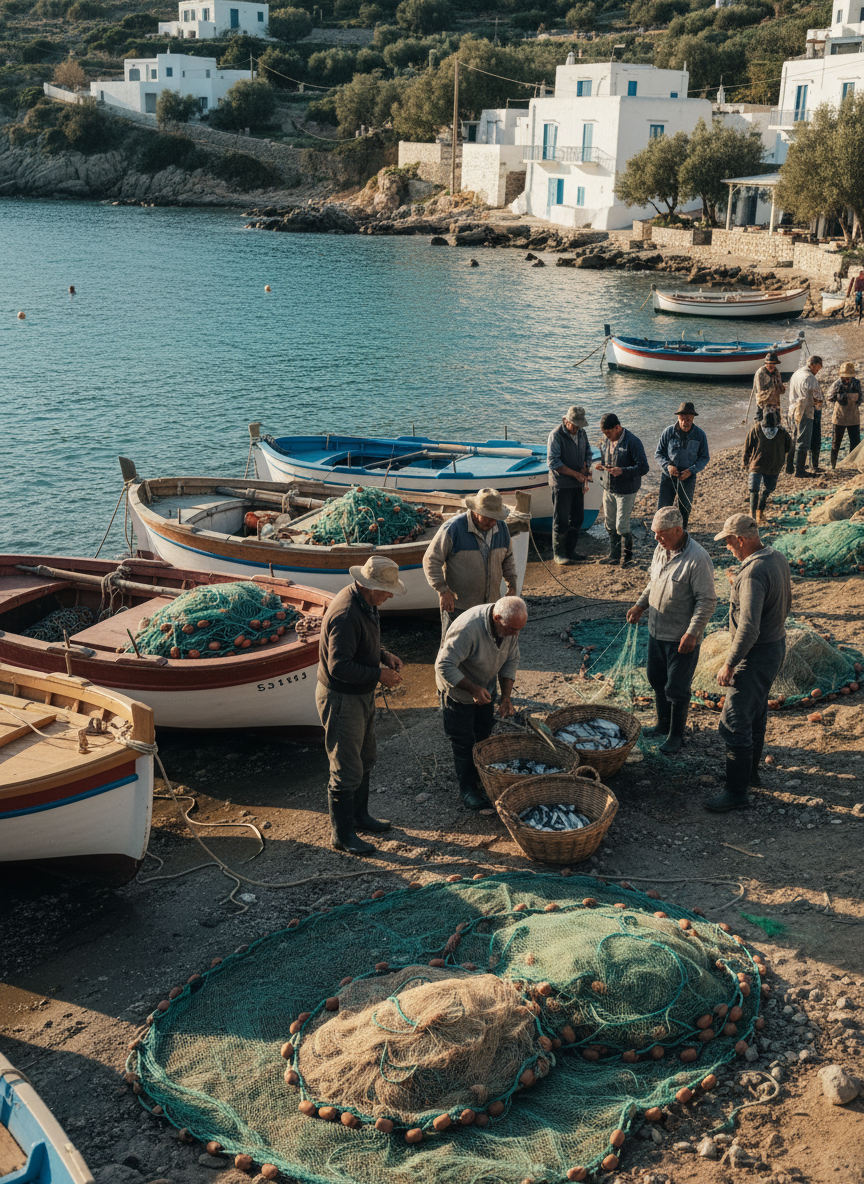
Small-scale and Artisanal Fisheries in Mediterranean region
Local communities are increasingly recognized as holders of knowledge and practices beneficial for ecological transition, yet they are often marginalized by neoliberal economies that favour individual competition and top-down, technocratic policies. The UN Declaration on the Rights of Peasants (UNDROP) affirms food sovereignty as the right of communities to determine their own food systems, combining sustainable development with local governance of land and resources. This project employs food sovereignty as a critical tool to analyse the conservation of local identities, the reduction of vulnerabilities, and the promotion of a culturally embedded sustainable transition.
Local communities are increasingly recognized as holders of knowledge and practices beneficial for ecological transition, yet they are often marginalized by neoliberal economies that favour individual competition and top-down, technocratic policies.
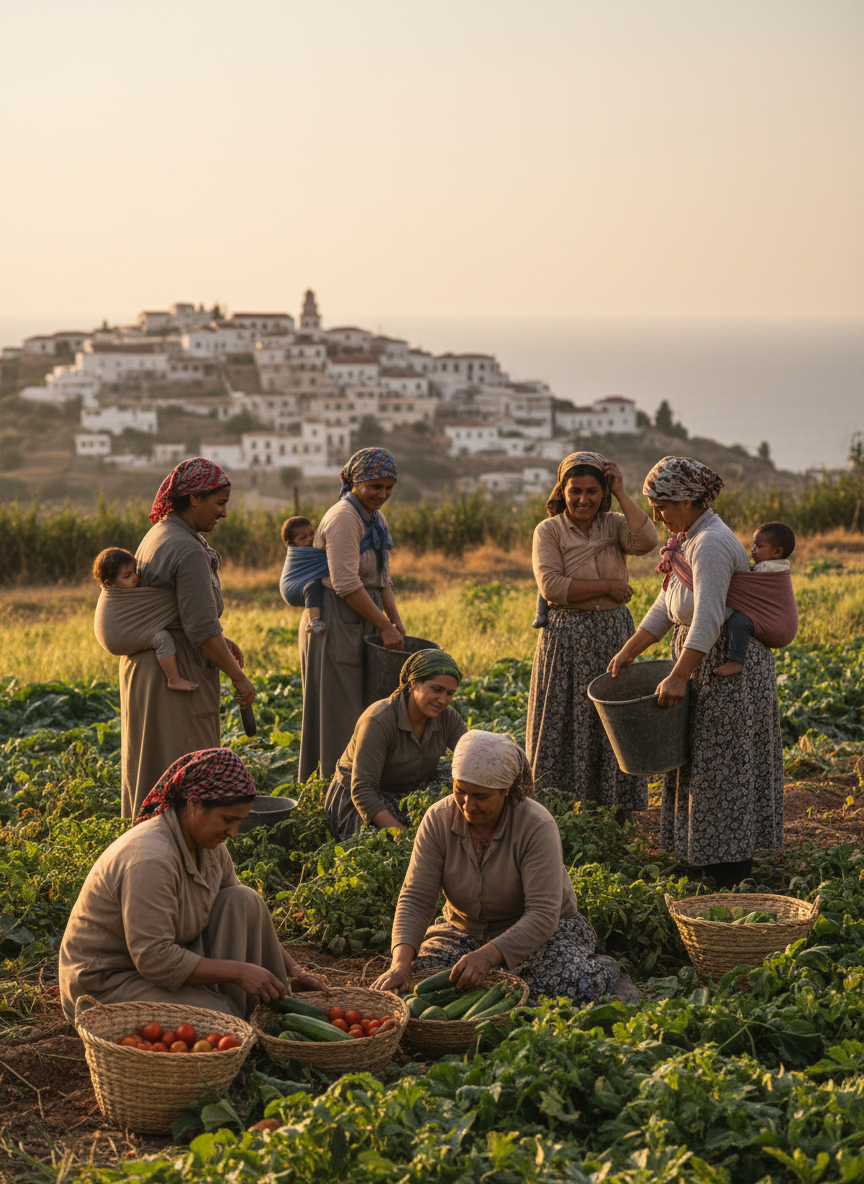
Migrations: Rights, Labour, Culture
Migrant women are increasingly subjected to intersecting discriminations based on gender, class, ethnicity, and nationality, producing specific forms of vulnerability and dehumanising conditions. This project analyses migrant women employed in the agricultural and care sectors in the Mediterranean and sub-Saharan Africa not as passive victims, but as active agents whose corporeality embodies a wider struggle against contemporary (bio)capitalism. At the same time, the project examines how migrant communities generate transformative practices from below—creating new living environments, relational networks, and forms of interculturality that challenge neoliberal governance. By bringing together theoretical research and empirical observation, the project assesses how resilience practices can be reclaimed as tools for empowerment, radical transformation, and political inclusion.
This project analyses migrant women employed in the agricultural and care sectors in the Mediterranean and sub-Saharan Africa as active agents whose corporeality embodies a wider struggle against contemporary (bio)capitalism, while examining how migrant communities generate transformative practices from below that challenge neoliberal governance.

Territories, risk mitigation policies and institutions
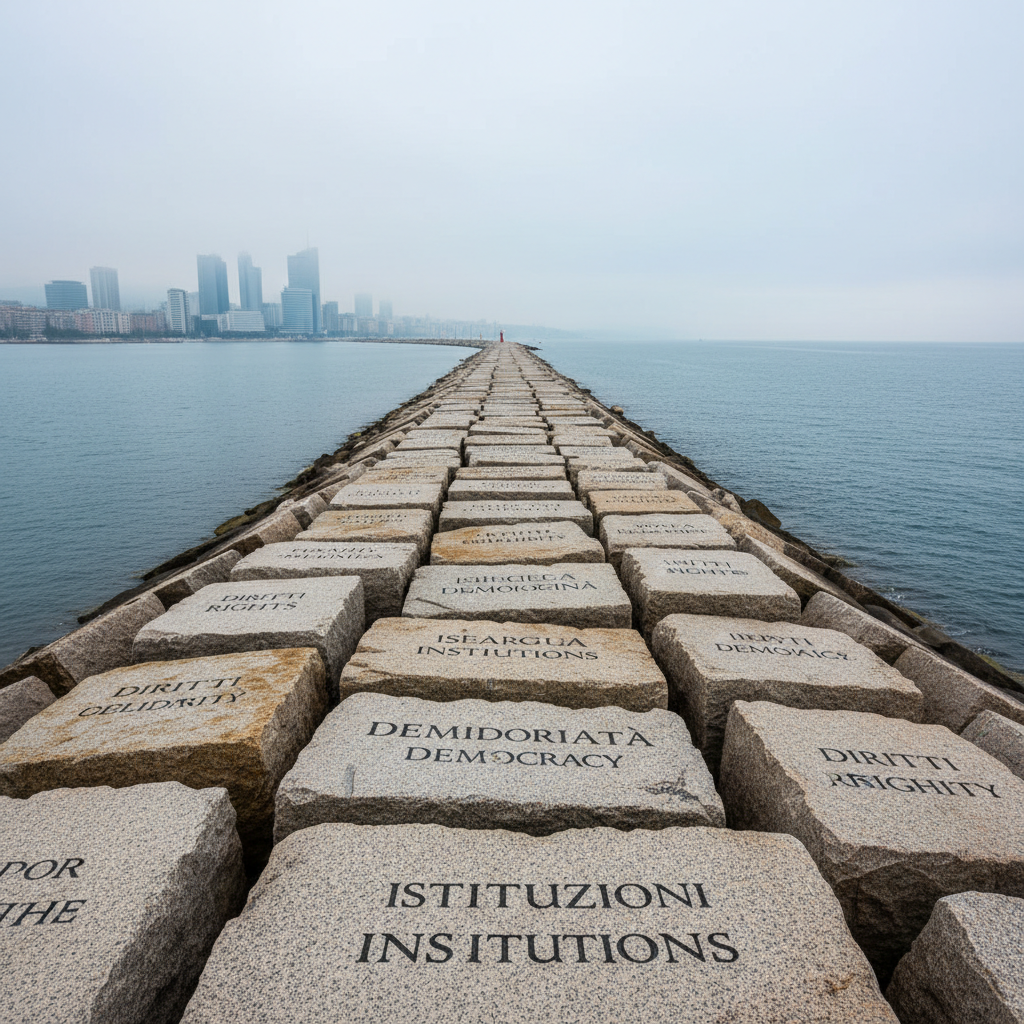
The resilience paradigm generates important reflections on the territorial effects of global emergencies, particularly how national and supranational regulatory measures impact local contexts. This global-local dialectic shapes new social and institutional behaviours, transforming experiences of security, mobility, and the relationship with territory. The project analyses how territorial actors respond to internal and external stimuli—including risk and emergency situations—through evolving configurations of security, redefining evolutionary perspectives and affecting territorialisation processes. By focusing on vulnerability as an analytical category, the research identifies resources and strategies for locally designed resilience interventions.
The project examines how territorial actors respond to risk and emergency situations through evolving configurations of security, while identifying resources and strategies for locally designed resilience interventions based on vulnerability as an analytical category.
Who we are
The RESILIENCE project is carried out by three interconnected research units based at the University of Palermo, the University of Salerno, and the University of Bari–Lecce. Each unit brings its own expertise and thematic focus, while sharing a common methodological framework and a commitment to advancing critical research on resilience, vulnerability, and political inclusion. Collaboration among the units is fostered through regular meetings, joint events, and shared publications.

Univeristà degli Studi di Palermo

Univeristà degli Studi di Bari – Aldo Moro

Univeristà degli Studi di Salerno
Publications
This section collects the scientific outputs produced by the three research units of the RESILIENCE project. Here you will find peer-reviewed articles, edited volumes, book chapters, and thematic special issues that reflect the project’s critical engagement with the concept of resilience, migration, gender, territory, and contemporary governance.
The publications span multiple languages and academic traditions, showcasing the project’s commitment to interdisciplinary research, international collaboration, and Open Access dissemination where possible.


Seminars
Seminars and other events that featured the participation of the RESILIENCE Project members.
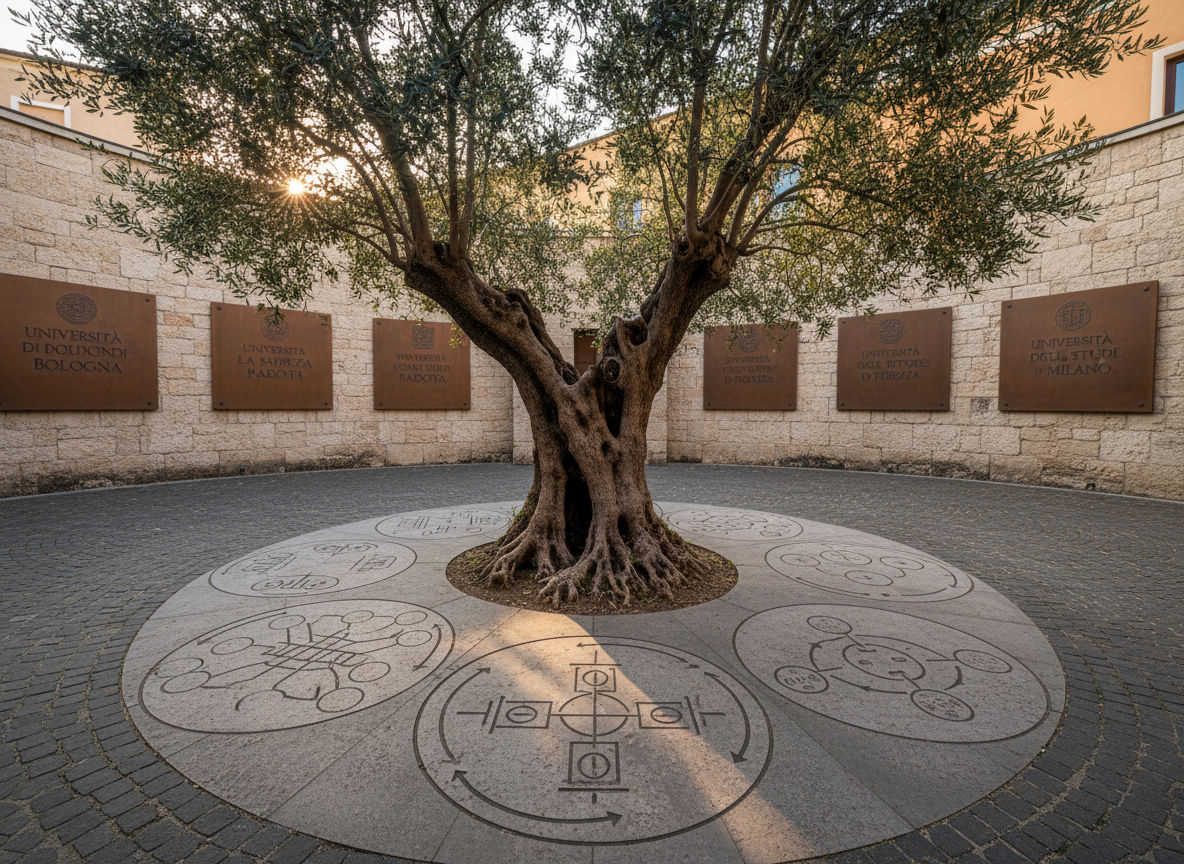
Summer / Winter schools and Conferences
Interdisciplinary labs exploring methods to measure, critique and rethink resilience in the contemporary world.

